
Compliance Made Easy: A Guide to Bulk SMS Regulations
Bulk SMS refers to the distribution of many SMS messages to a targeted group of recipients.
It is commonly used by businesses and organizations to send updates, alerts, promotions, and other information to customers or employees.

Compliance with regulations is crucial when using bulk SMS services. This includes adhering to privacy laws, such as Distributed Ledger Technology (DLT) given by the Telecom Regulatory Authority of India and industry-specific regulations.
Non-compliance can lead to legal issues, fines, and damage to the sender’s reputation. Therefore, ensuring adherence to regulations is essential for the successful and ethical use of bulk SMS.
Bulk SMS Regulations By Telecom Regulatory Authority Of India
The Telecom Regulatory Authority of India has set up rules and regulations to prevent and control spam messages.
They also monitor unsolicited commercial messages. Let’s see a quick overview of the Bulk SMS rules and regulations:
According to TRAI, you need to have a registration on various DLT portals. First, you have to get a principal entity, then get the Sender IDs and content template. They also have set up some rules for restrictions on promotional messages.
According to TRAI, there is a time limit you can only send between 9 AM to 9 PM. Moreover, you cannot send SMS to DND numbers. there must be an opt-in and opt-out mechanism.
TRAI makes it compulsory for everyone who wants to send bulk SMS in India they have a principal entity registered on DLT. There are separate rules and regulations for different types of transactional and service messages.
Importance Of Compliance
Understanding the importance of compliance is crucial for businesses to operate successfully. Compliance helps in avoiding legal penalties, ensuring that the business is operating within the boundaries of the law.
This, in turn, builds trust and a positive reputation within the industry and among customers.
Additionally, compliance plays a key role in enhancing the overall customer experience, as it demonstrates the business’s commitment to ethical practices and regulations, ultimately leading to increased customer satisfaction.
Understanding Permission-Based Marketing
Before starting bulk SMS the one thing that should be in mind is understanding permission-based marketing. Marketing must be done in a way that does not invade the privacy of the people.
Permission before sending promotional SMS you must obtain the consent of the recipient. For doing so we first have to get an opt-in method.
This may include methods like a checkbox for SMS marketing, using keywords, and seeking consent during the physical industry.
Another benefit of permission-based marketing is higher open rates, improved customer engagement, and reduced risk of spam complaints.
Some other important points are do not purchase numbers and do not call as spam. Provide value to the customers and convey your message with clarity. In addition to these, you must have essay opt-out options also.
By following permission-based marketing principles, you can leverage bulk SMS effectively while staying compliant with TRAI regulations and fostering positive customer relationships.
Best Practices For Compliance
In different regions, there are distinct data protection laws that govern how data is collected, stored, and used.
In India, the Telecom Regulatory Authority of India (TRAI) plays a crucial role in governing data practices. It is imperative to have a clear understanding of these regulations and ensure compliance with them.
To ensure privacy compliance, the following measures should be taken:
Data Protection Regulations
Stay updated with the data protection laws specific to the regions you operate in and ensure strict compliance with them.
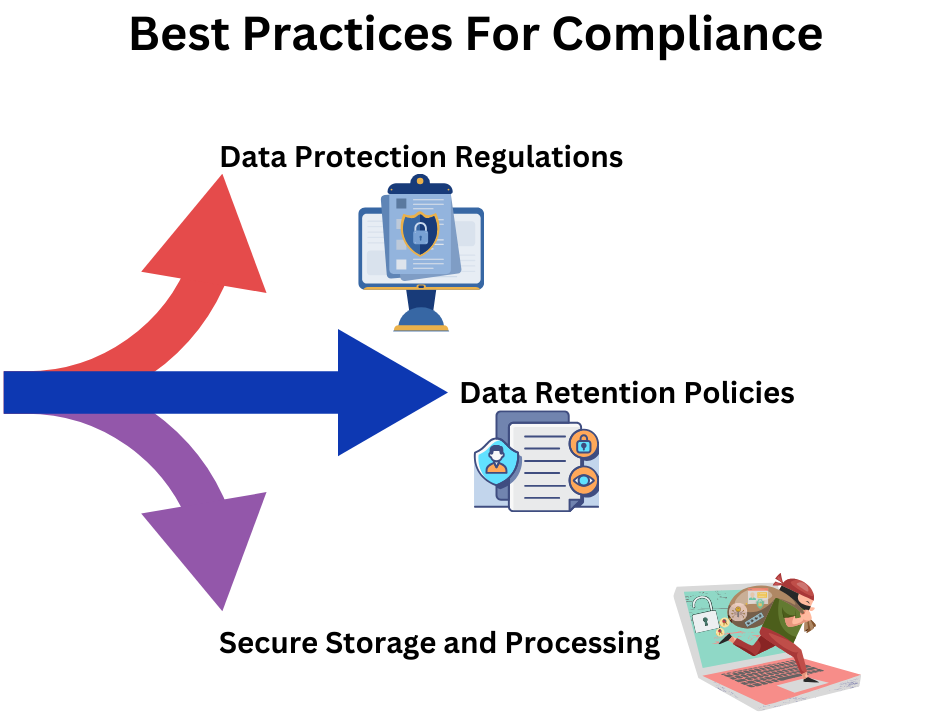
Secure Storage and Processing
Implement robust security measures to safeguard the storage and processing of data, protecting it from unauthorized access or breaches.
Data Retention Policies
Establish clear data retention policies to determine how long data should be kept and when it should be securely disposed of.
In addition to the above measures, it is important to conduct regular compliance audits to assess and address any potential gaps.
Providing staff training and awareness programs on data protection and privacy best practices is also essential.
Moreover, staying informed about any regulatory changes and promptly adapting to them is crucial in maintaining privacy compliance.
Tools And Resources For Compliance
When it comes to ensuring compliance, it’s essential to have access to a range of tools and resources. These can include:
Compliance Software and Platforms
Utilizing specialized software and platforms designed to streamline and manage various aspects of compliance, such as data security, reporting, and audits.
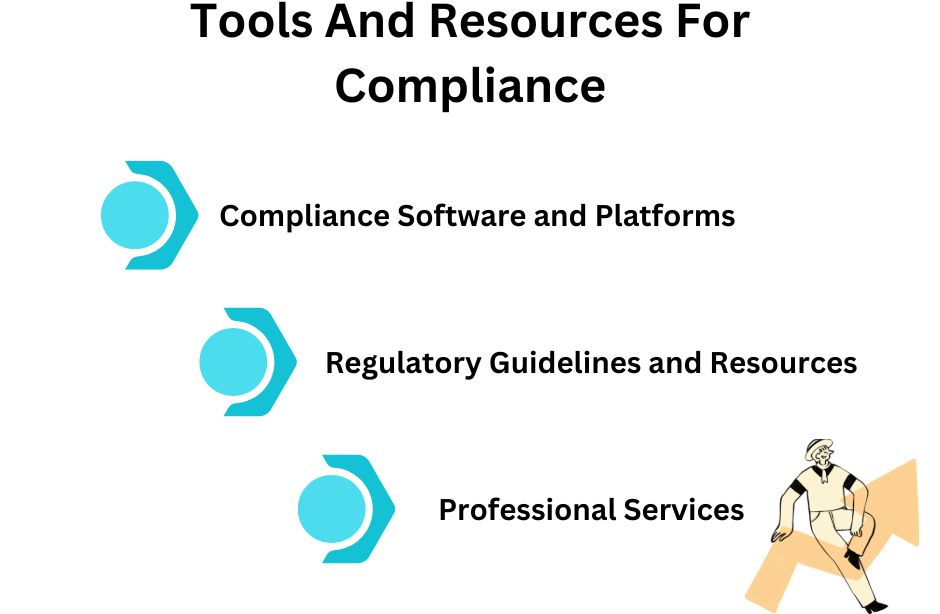
Regulatory Guidelines and Resources
Staying up-to-date with the latest regulatory guidelines and resources provided by relevant authorities and industry organizations to ensure adherence to legal requirements.
Professional Services
Accessing expert professional services such as legal counsel, compliance consulting, and training to navigate complex compliance landscapes effectively.