
When To Reach Your Customers With Bulk SMS?
Bulk SMS, also known as mass texting, refers to the practice of sending a large number of SMS messages to mobile phone terminals.
Businesses and organizations widely use this form of communication for various purposes such as marketing, customer engagement, and informational messaging.

The importance of reaching customers effectively through bulk SMS cannot be overstated.
With the prevalence of mobile devices, SMS messages have become a powerful tool for businesses to connect with their customers directly and personally.
By leveraging bulk SMS, businesses can deliver timely promotions, important updates, and personalized messages to their customer base, resulting in enhanced engagement and increased brand loyalty.
Understanding Customer Behavior
Understanding customer behavior is crucial for businesses to optimize their operations. This includes identifying peak usage times when customers are most active or when demand for products and services is highest.
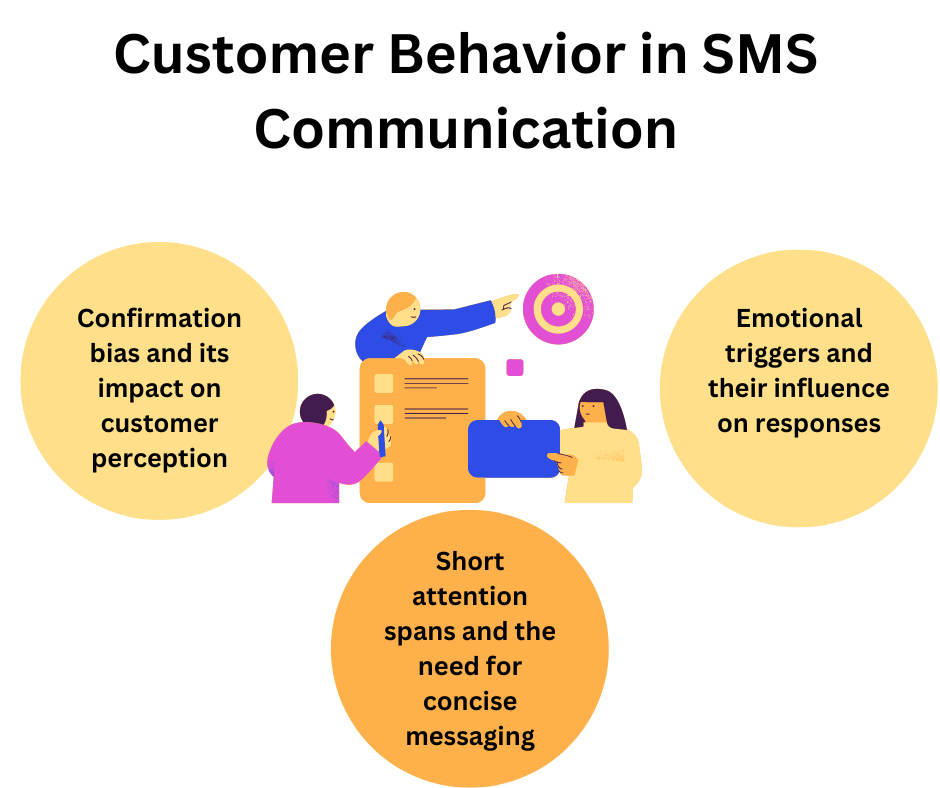
Additionally, analyzing response patterns can provide valuable insights into how customers interact with a business, such as the time it takes for them to respond to promotions or follow up on inquiries.
By understanding these aspects of customer behavior, businesses can tailor their strategies to better meet the needs of their customers and improve overall customer satisfaction.
Best Times to Send Bulk SMS
The best times to send bulk SMS can depend on various factors, including the time of day and the day of the week.
When considering the time of day, it’s important to weigh the pros and cons of sending messages in the morning, afternoon, and evening.
Similarly, the decision to send an SMS on a weekday versus a weekend also requires careful consideration.
Factors such as the target audience, the nature of the message, and the specific goals of the SMS campaign can all play a role in determining the most effective timing for bulk SMS.
Target Audience Segmentation
When it comes to targeting specific audiences, it’s important to consider demographic factors such as age, gender, income, education level, and occupation.
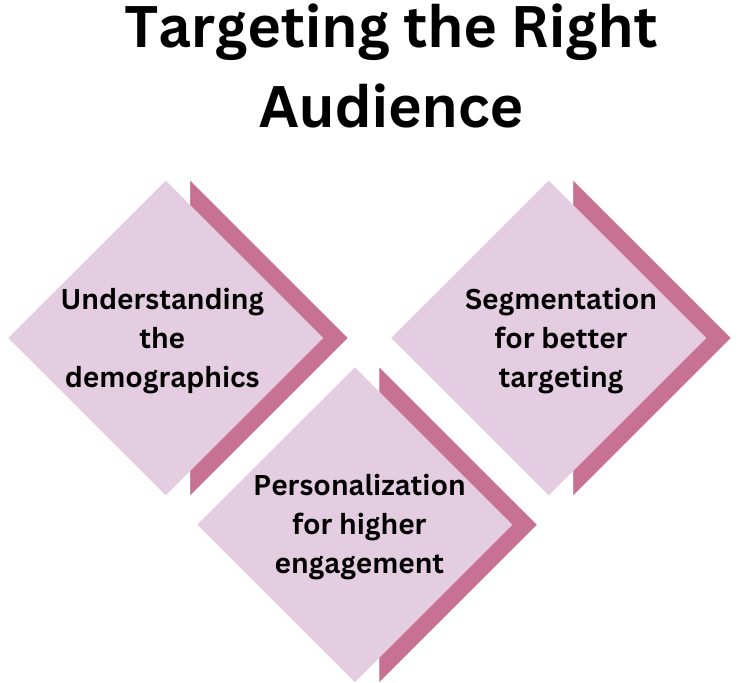
Additionally, behavioral segmentation involves analyzing the behaviors, preferences, and buying patterns of consumers to effectively tailor marketing strategies and messages to specific audience segments.
Tools for Analyzing Customer Engagement
Analytics platforms provide advanced insights into customer behavior, preferences, and interactions with your brand.
They help you track and analyze customer engagement across various channels and touchpoints.
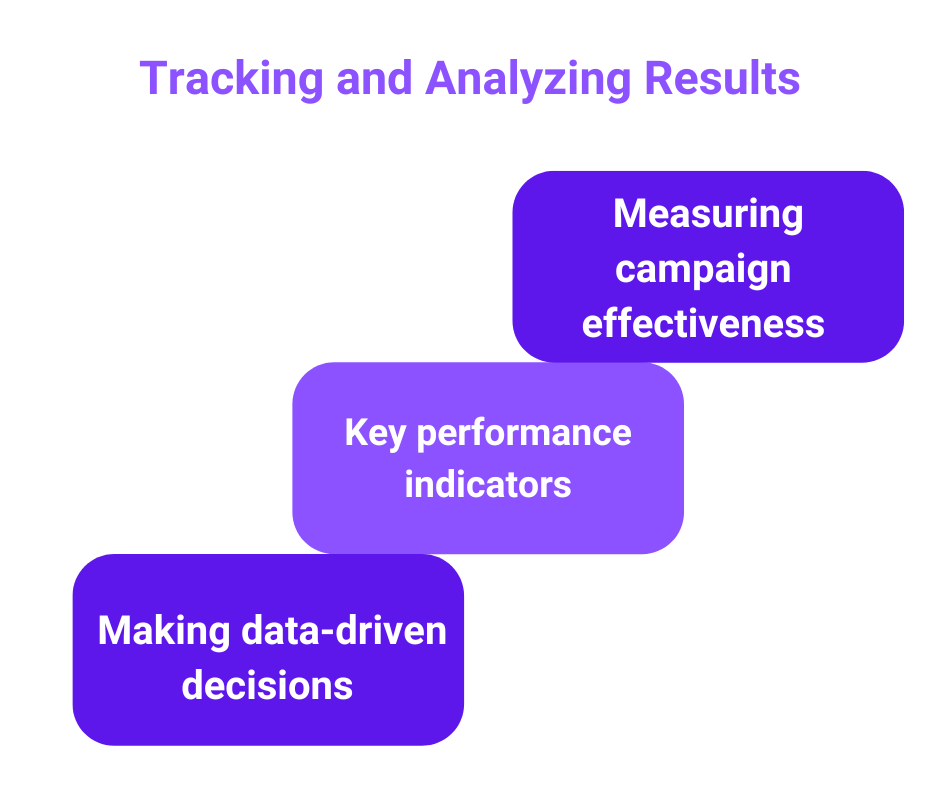
A/B testing method allows you to compare two versions of marketing assets to determine which one performs better in terms of customer engagement. It helps you optimize your content and offerings based on real user data.
Personalization and Timing
When it comes to effective communication, personalization and timing are crucial factors to consider.
Tailoring messages to customer preferences involves understanding their likes, dislikes, and behaviors to create more relevant and engaging content.
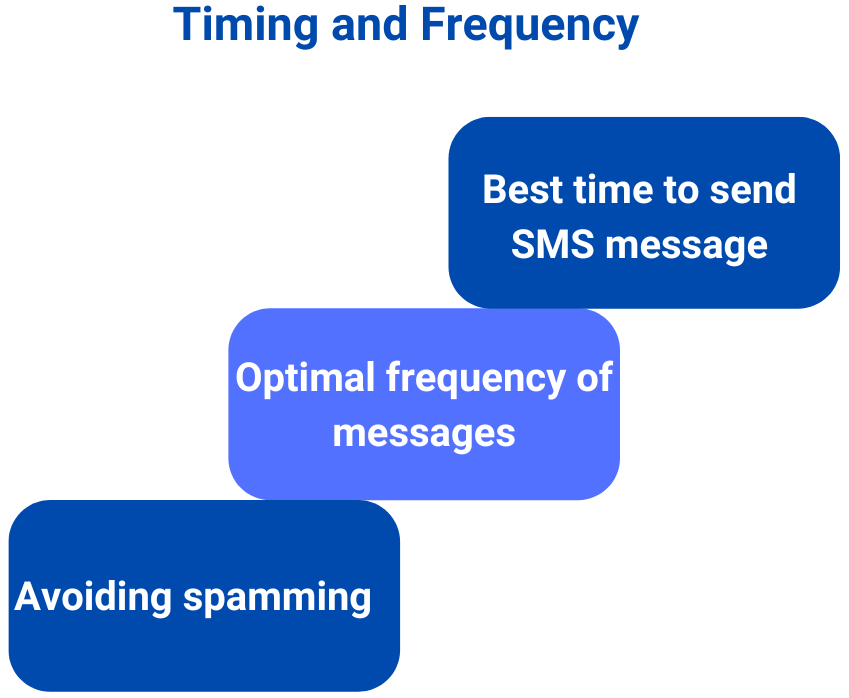
Leveraging time zones is essential for ensuring that messages are delivered at the most convenient and impactful times for the recipients, taking into account their local time and daily routines.