
SMS spam refers to unsolicited and unwanted text messages sent in bulk to many recipients for advertising or fraudulent purposes.
SMS fraud involves deceptive or illegal activities conducted through text messages. Combatting SMS spam and fraud is crucial for several reasons.

Firstly, it helps protect consumers from scams and fraudulent schemes that can lead to financial losses or identity theft.
By reducing the prevalence of SMS spam and fraud, individuals can feel more secure and trust the messages they receive.
How do SMS Spam and Fraud Work?
Understanding how SMS spam and fraud work is crucial to protect individuals and businesses.
SMS spam and fraud involve various techniques spammers and fraudsters use to deceive and manipulate recipients.
These may include phishing messages, fake offers, and misleading information designed to trick individuals into disclosing personal information or clicking on malicious links.
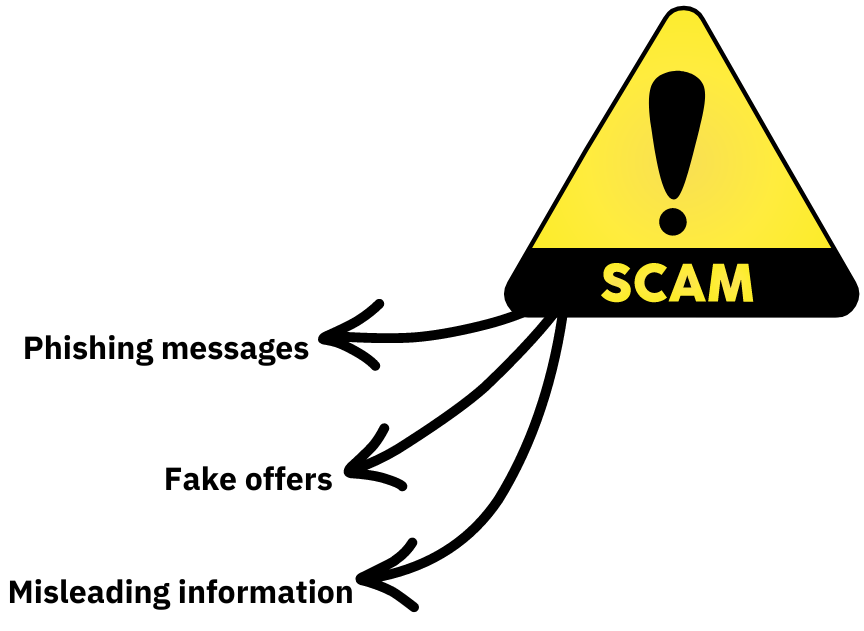
The impact of SMS spam and fraud on individuals and businesses can be significant, leading to financial losses, compromised sensitive information, and damage to reputation.
It is important to be aware of these techniques and their potential impact to take necessary precautions and avoid falling victim to SMS spam and fraud.
Current Measures to Combat SMS Spam and Fraud
Implementation of strict regulations by governmental bodies to curb SMS spam and fraudulent activities, including penalties for violators and enforcement mechanisms to ensure compliance.
Introduction of legal frameworks to hold spammers and fraudsters accountable for their actions, including provisions for civil and criminal liabilities.
Collaboration with regulatory authorities to develop and implement measures to prevent SMS spam and fraud, such as participating in task forces and industry working groups dedicated to addressing these issues.
Deployment of advanced technology and filtering systems to detect and block fraudulent messages, including artificial intelligence and machine learning algorithms to identify patterns.
Educating users about potential risks through awareness campaigns and providing tools to report spam and fraudulent activities.
Technological Solutions for SMS Spam and Fraud
Numerous technological solutions can be employed to address the issue of SMS spam and fraud.
One effective method involves the implementation of spam filters and blocking applications, which are designed to identify and block unwanted messages.
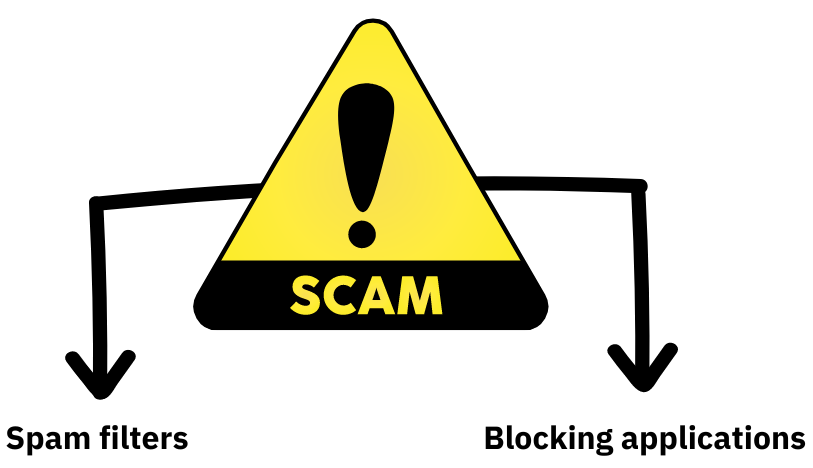
Additionally, leveraging machine learning and AI can be a powerful approach to analyze patterns and recognize potential spam or fraudulent messages.
These advanced technologies can detect and prevent SMS scams, safeguarding users from potential harm and inconvenience.
Best Practices for Users
It’s important to be vigilant when it comes to recognizing bulk SMS spam and fraudulent messages.
Look out for unsolicited messages offering prizes or suspicious links and report them to your service provider or relevant authorities.
To protect your personal information from bulk SMS spam, avoid responding to unknown or suspicious messages.
Be cautious about sharing sensitive information such as banking details or personal identification numbers via SMS, and verify the authenticity of any messages requesting such information.
Global Initiatives and Collaborations for SMS Spam and Fraud
International efforts to tackle SMS spam and fraud involve collaborative actions taken by various countries, regulatory bodies, and law enforcement agencies to address unsolicited and fraudulent text messages.
These efforts include sharing best practices, information, and resources to develop coordinated strategies for combating SMS spam and fraud on a global scale.
Partnerships between governments, industry players, and NGOs are crucial for effectively combating SMS spam and fraud.
Collaborative efforts aim to establish regulatory frameworks, implement technological solutions, and raise awareness to protect mobile users from deceptive and harmful SMS practices.
These partnerships facilitate the exchange of expertise and resources to develop comprehensive approaches to address the challenges posed by SMS spam and fraud.
Frequently asked questions
How do I report a spam SMS in India?
Call or SMS 1909, use the TRAI DND app, or complain through your operator’s app or website. For fraud such as fake KYC or bank messages, report on Sanchar Saathi (Chakshu). You can also register for DND to stop promotional SMS.
How can I tell if an SMS from a business is genuine?
Check the sender. Business SMS in India come from a registered header such as AX-BANKNM-S, where the last letter shows the type: -P promotional, -S service, -T transactional, -G government. Be careful with messages from plain mobile numbers that ask for OTPs or payments.
What is smishing?
Smishing is phishing by SMS. A fake message asks you to click a link, share an OTP or call a number, often claiming your account, KYC or parcel has a problem. Genuine companies do not ask for your OTP or password by SMS.
How does DLT help reduce SMS spam?
DLT makes every sender register its business, headers and templates. Operators check each SMS against these records and the DND register, and block messages from unregistered headers or with unregistered text.
How can businesses protect their brand from SMS fraud?
Send only from your registered header, whitelist your real links in DLT templates, never ask customers for OTPs or passwords, and tell customers which header you use so they can spot fakes.
What is OTP SMS pumping fraud?
Bots fill your sign-up or login form with many numbers to trigger OTP SMS and raise your bill. Rate limits, CAPTCHA and a cooldown between resends help stop it. See protecting OTPs from pumping fraud.