Bulk SMS API refers to a set of protocols and tools that facilitate the integration of SMS messaging capabilities into software applications, allowing for the sending and receiving of large volumes of text messages.

Upgrading communication with bulk SMS API is essential due to its ability to streamline communication processes, enhance customer engagement, and improve overall communication efficiency.
Understanding Bulk SMS API
A bulk SMS API is a programming interface that enables software to send and receive text messages through an SMS gateway.
It acts as a bridge between the application and the SMS gateway, allowing seamless integration of SMS functionality into software systems.
This integration enables the automation of message sending, notifications, and alerts. The features of a bulk SMS API may encompass message scheduling, personalized messaging, delivery reports, and two-way messaging capabilities.
Message scheduling allows users to set specific times for message delivery, personalized messaging enables tailored content for recipients, delivery reports provide insights into the status of sent messages, and two-way messaging facilitates interactive communication.
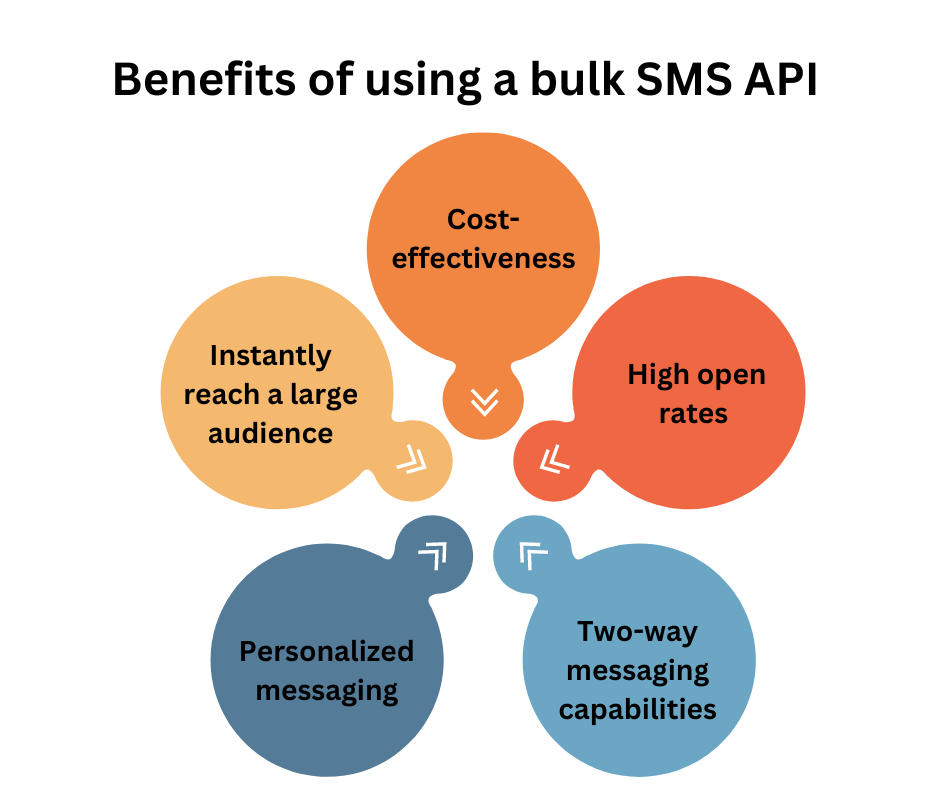
The benefits of using a bulk SMS API include cost-effectiveness, high open rates, and the ability to instantly reach a large audience with important information.
When compared to traditional communication methods such as email or phone calls, bulk SMS API offers several advantages. These include higher open rates, faster delivery, and greater reach, especially when targeting mobile users.
Unlike emails, SMS messages are typically opened and read promptly, and they have a wider reach due to the prevalence of mobile phones.
Additionally, SMS messages are delivered almost instantly, making them a more efficient means of communication for time-sensitive information.
Implementing Bulk SMS API
When implementing a Bulk SMS API, there are several key considerations to keep in mind:
Selecting the right bulk SMS API provider involves researching and comparing different providers based on factors such as reliability, delivery rates, pricing, customer support, and available features.
Integrating bulk SMS API into existing communication systems requires a thorough understanding of the current infrastructure and how the API will fit into it.
Ensuring compliance with regulations and best practices is crucial to avoid any legal or ethical issues.
This includes understanding and adhering to regulations related to data privacy, consent, and spam laws, as well as following industry best practices for SMS communication.
Best Practices for Bulk SMS Communication
When sending bulk SMS communications, it’s important to follow best practices to ensure effectiveness and engagement. These best practices include personalization and targeting, timing and frequency, as well as monitoring and analyzing performance.
Personalization and targeting
Tailoring your messages to specific recipients and ensuring that the content is relevant to their interests or needs can significantly improve engagement and response rates.
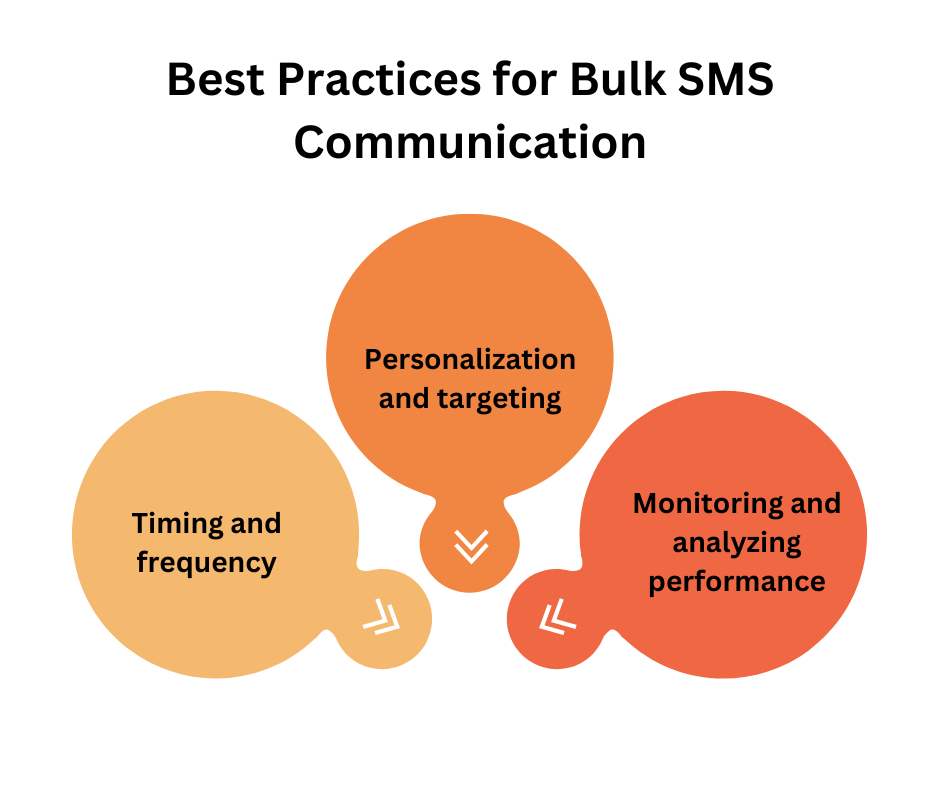
Timing and frequency
Sending messages at the right time and avoiding over-messaging is crucial. Understanding your audience’s behavior and preferences can help determine the optimal timing and frequency for your SMS communications.
Monitoring and analyzing performance
Tracking the performance of your bulk SMS campaigns is essential for assessing their effectiveness. Analyzing metrics such as delivery rates, open rates, and conversion rates can provide valuable insights for refining future campaigns and maximizing results.
Frequently asked questions
Can customers reply to bulk SMS?
Not to an alphabetic sender ID, because these headers are one-way. If you want replies, add a whitelisted phone number or WhatsApp link in the message so customers can respond there.
What is the difference between bulk SMS and an SMS API?
They send the same messages. With bulk SMS from a panel you upload numbers and send by hand, while an SMS API lets your website or software send each message automatically when something happens.
How do delivery reports work in a bulk SMS API?
Each number gets a status such as Delivered, Failed, Sent (report pending), DND, Blocked or Invalid. You can see it in the panel, fetch it with the request ID or get it on your webhook. See the SMS delivery report API.
Is SMS better than email for urgent alerts?
Yes, for short urgent messages. SMS reaches the phone without internet and is usually read quickly, while email suits long content and attachments. Many businesses send the alert by SMS and the details by email.
Can I send bulk SMS in regional languages?
Yes. Hindi, Marathi, Tamil and other languages go as Unicode SMS, with 70 characters per part. The DLT template must be approved in the same language. See DLT templates in Hindi and regional languages.
What do I need before I can use a bulk SMS API?
An account with wallet balance, a DLT entity with an approved header and content templates, the PE-TM chain with your provider and your API key. See the DLT registration process.