
Understanding SMS marketing regulations is extremely important for businesses engaging in SMS marketing activities.
In India, SMS marketing is governed by the rules and regulations established by the Telecom Regulatory Authority of India (TRAI).

These regulations cover aspects such as consent requirements, permissible sender IDs, sender registration, content restrictions, and frequency of messages, among others.
Adhering to these regulations is vital for businesses to ensure compliance and avoid potential penalties.
This article aims to provide a comprehensive overview of the SMS marketing regulations in India, offering valuable insights for businesses looking to navigate this regulatory landscape.
Understanding SMS Marketing Regulations
Regarding SMS marketing regulations in India, businesses need to consider several key aspects to ensure compliance and maintain a positive relationship with consumers.
Key regulations and laws
India has specific regulations and laws governing SMS marketing. These include the Telecom Commercial Communications Customer Preference Regulations (TCCCPR) and the Telecom Regulatory Authority of India (TRAI) guidelines.
It’s crucial for businesses to thoroughly understand and comply with these regulations to avoid potential legal issues.
Restrictions on SMS marketing
SMS marketing in India is subject to various restrictions aimed at protecting consumers.
These restrictions include limitations on the type of content that can be sent via SMS, the frequency of messages, and permissible sending hours.
Adhering to these restrictions helps prevent consumers from receiving unsolicited or spam messages.
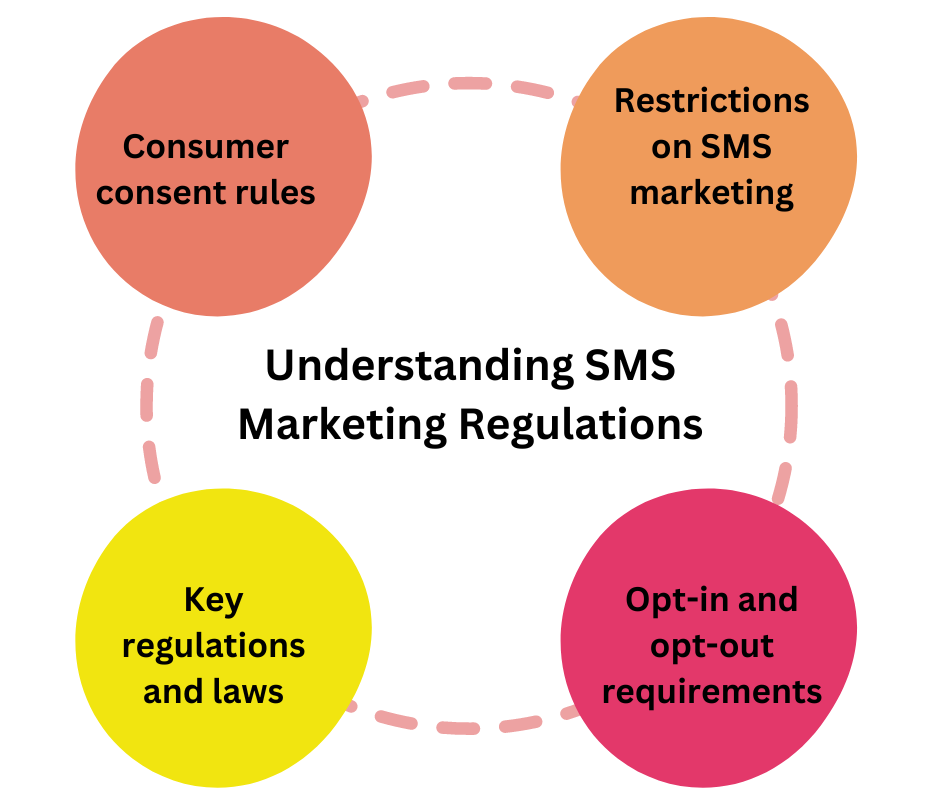
Opt-in and opt-out requirements
Businesses engaging in SMS marketing in India must ensure a clear and transparent opt-in process for consumers to consent to receive marketing messages.
Additionally, providing accessible and easy opt-out options for consumers who no longer wish to receive such messages is essential to comply with the regulations.
Consumer consent rules
Obtaining explicit consent from consumers before sending them marketing messages is a fundamental requirement. Consent must be freely given, specific, informed, and unambiguous, aligning with the regulations in place.
Understanding and adhering to these SMS marketing regulations is crucial for businesses operating in India to ensure compliance and maintain a positive relationship with consumers.
Navigating Compliance
When engaging in SMS marketing in India, businesses must be mindful of various important aspects to ensure compliance with legal and regulatory standards.
This involves incorporating best practices for compliance, such as obtaining explicit consent from recipients before sending out marketing messages.
Additionally, it is important to ensure that SMS marketing strategies align with all relevant laws and regulations, maintain comprehensive records of consent and message content, and consistently monitor and adapt strategies to comply with any regulation changes.
Businesses must stay abreast of the latest legal requirements and best practices to avoid potential penalties and uphold a positive customer reputation.
Frequently asked questions
What is TCCCPR?
TCCCPR means the Telecom Commercial Communications Customer Preference Regulations, 2018, issued by TRAI. They set the DLT system, header and template registration, consent rules and DND preferences for commercial SMS and calls. Read TRAI TCCCPR rules explained.
What is the penalty for sending spam SMS in India?
Operators can suspend the sender’s headers and templates or suspend its services after complaints. Unregistered senders can have outgoing services barred and, for repeat violations, be disconnected and blacklisted. See UCC complaints and DLT penalties.
Is an opt-out option mandatory in promotional SMS?
Yes. Under TRAI’s 2025 amendment, promotional messages must give the customer a way to opt out. Add the opt-out line in your promotional DLT templates.
How can customers stop promotional SMS from businesses?
They can register their DND preference by calling or sending an SMS to 1909, or through their operator’s app. They can block all promotional messages or only some categories. See how to register for DND.
How do I record customer consent for promotional SMS?
Keep clear proof of each opt-in, such as a signed form or a website checkbox with the date. DLT portals also let you register consent templates to collect consent digitally. Read the DLT consent template guide.
Do TRAI SMS rules apply to WhatsApp messages?
No. TCCCPR and DLT cover SMS and voice calls on telecom networks. WhatsApp Business messages follow Meta’s rules on opt-in and approved templates instead. See whether DLT is needed for WhatsApp, RCS and voice.